EVENTS
October 2025
Gender, Culture and Data Workshop (UCD)
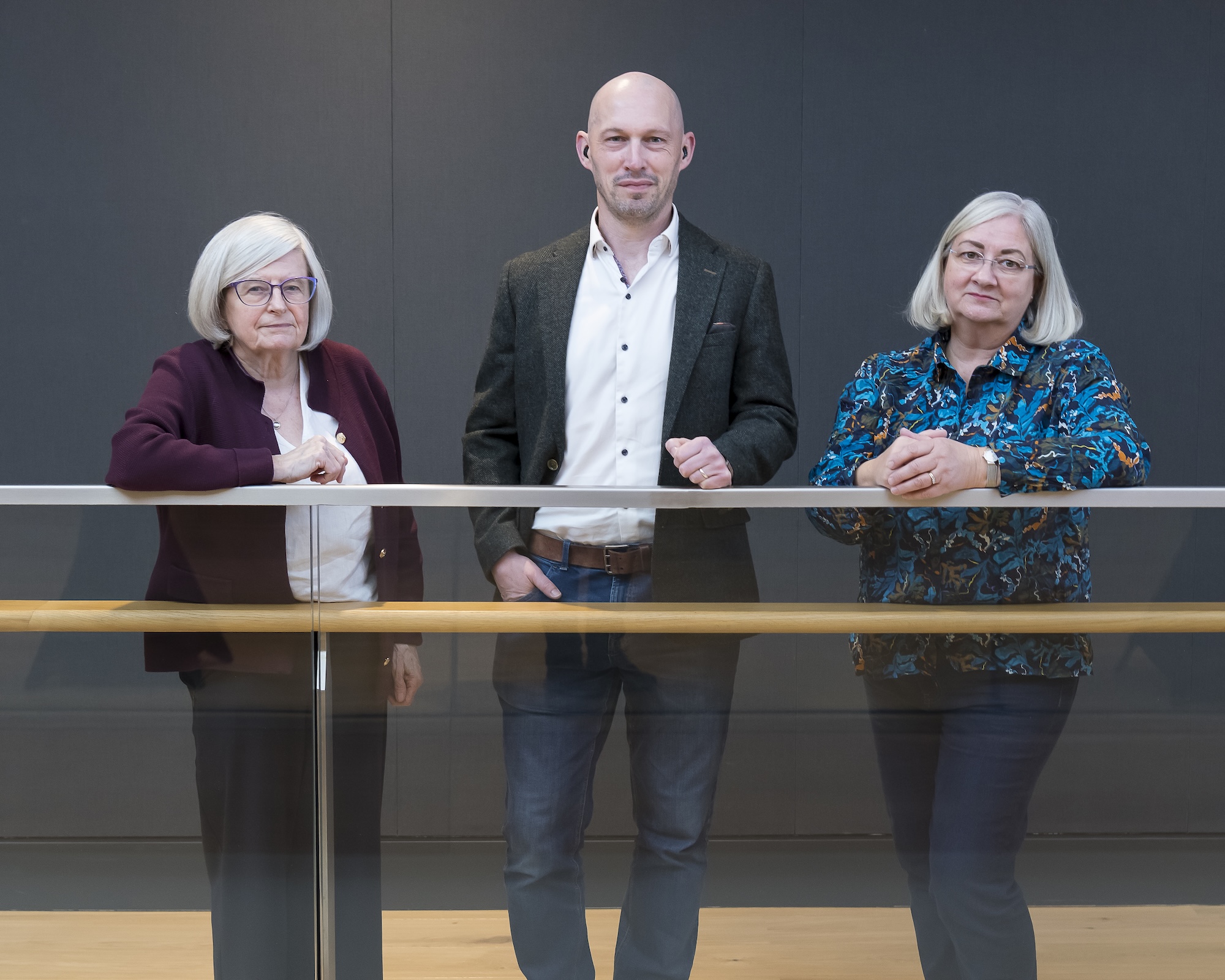
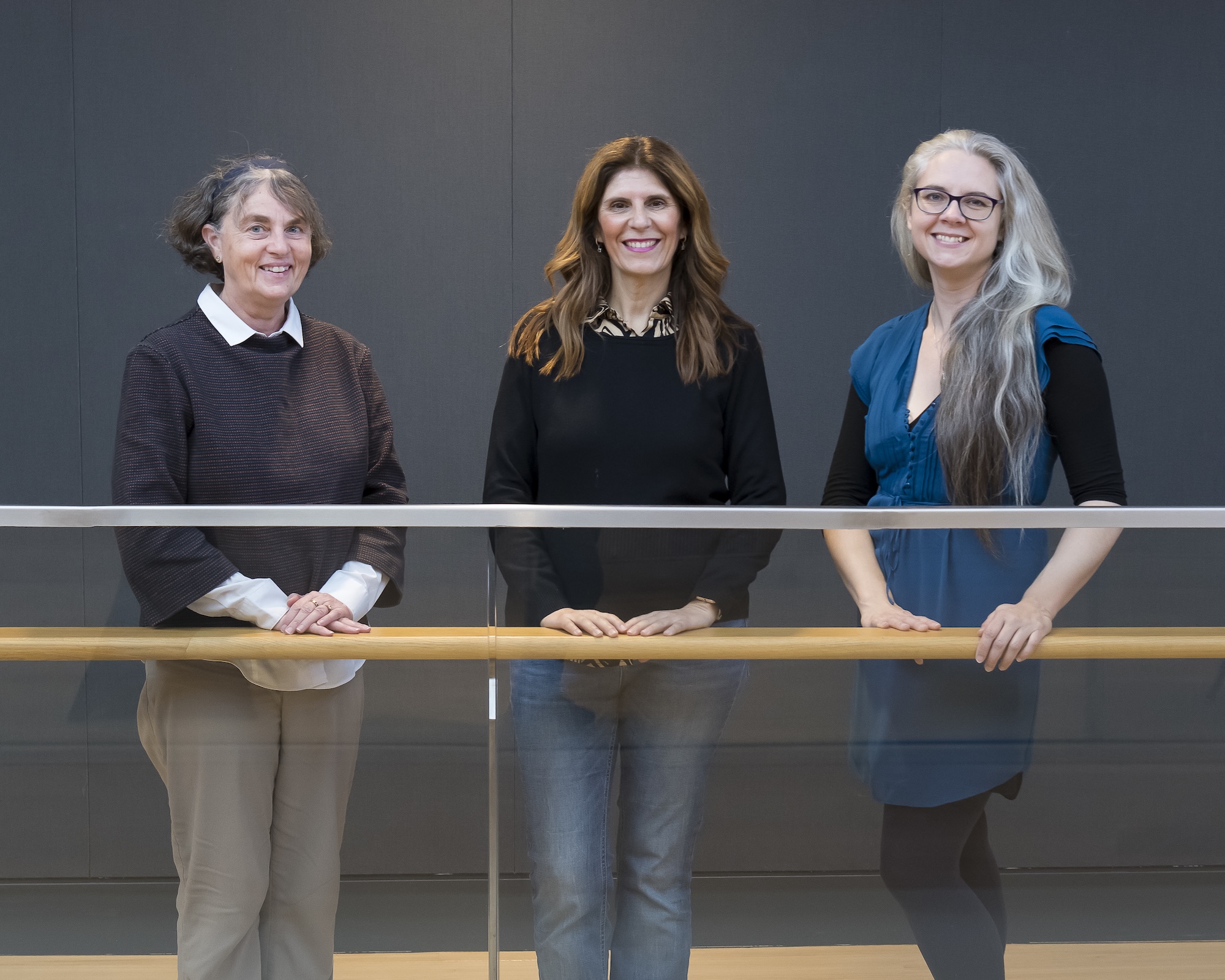
Collaborative Approaches to Women’s Histories
22 October 2025, 12:00 – 16:30
University Club, University College Dublin
Dominant ‘mainstream’ political and cultural datasets are heavily influenced by inherited historical biases. Conversely, decades of work recovering women’s history and voices, for example, have not fully realised their potential to impact on the national story because it has produced parallel and siloed resources. The Gender, Culture and Data project at the UCD Centre for Cultural Analytics explores the application of cultural analytics to integrate these research silos.
The Gender, Culture and Data project team were delighted to host the interdisciplinary workshop, Gender, Culture and Data: Collaborative Approaches to Women’s Histories at the UCD Club on Wednesday, 22nd October. This event heard from key personnel from notable projects amplifying women’s voices: Highlights from the day include highly informative panel presentations from Eoin Kinsella (Managing Editor, Dictionary of Irish Biography), Mary O’Dowd (Professor Emerita of Gender History, QUB), and Deirdre Wildy (Head of Special Collections & Archives, QUB), who shared their experiences in curating and documenting women’s lives and voices within The Dictionary of Irish Biography and the women focused volumes IV and V of the Field Day Anthologies – two major compilation projects which started life as printed series before becoming large digital resources. Discussions focused on the surprising (and unsurprising) challenges which can slow down efforts to promote gender diversity in large scale data projects.
Following a networking lunch, the UCD Gender, Culture and Data Project team, Gerardine Meaney, Maria Butler, and Derek Greene, showcased our pilot project integrating biographical information from the Dictionary of Irish Biography and the Field Day Anthologies. We showed how integrating data silos can reveal new, notable patterns and amplify previously underrepresented women’s voices including oral storytellers and early modern historical figures.
The day concluded with an engaging workshop session, focusing on practical next steps and fostering a wider community for collaborative approaches to women’s histories. Led by respondents Karen Wade (UCD), Kathryn Laing (Mary Immaculate College), and Auxiliadora Pérez-Vides (University of Huelva, Spain), attendees shared ideas and explored how to mitigate inherited biases through shared methodologies.
Funding: This event is part of a project that has received funding from Research Ireland to the Insight Centre for Data Analytics under grant No 12/RC/2289_P2 and the European Research Council (ERC) under the Horizon 2020 research and innovation programme (Grant agreement No. 884951).
Miasma Launch (RCPI)
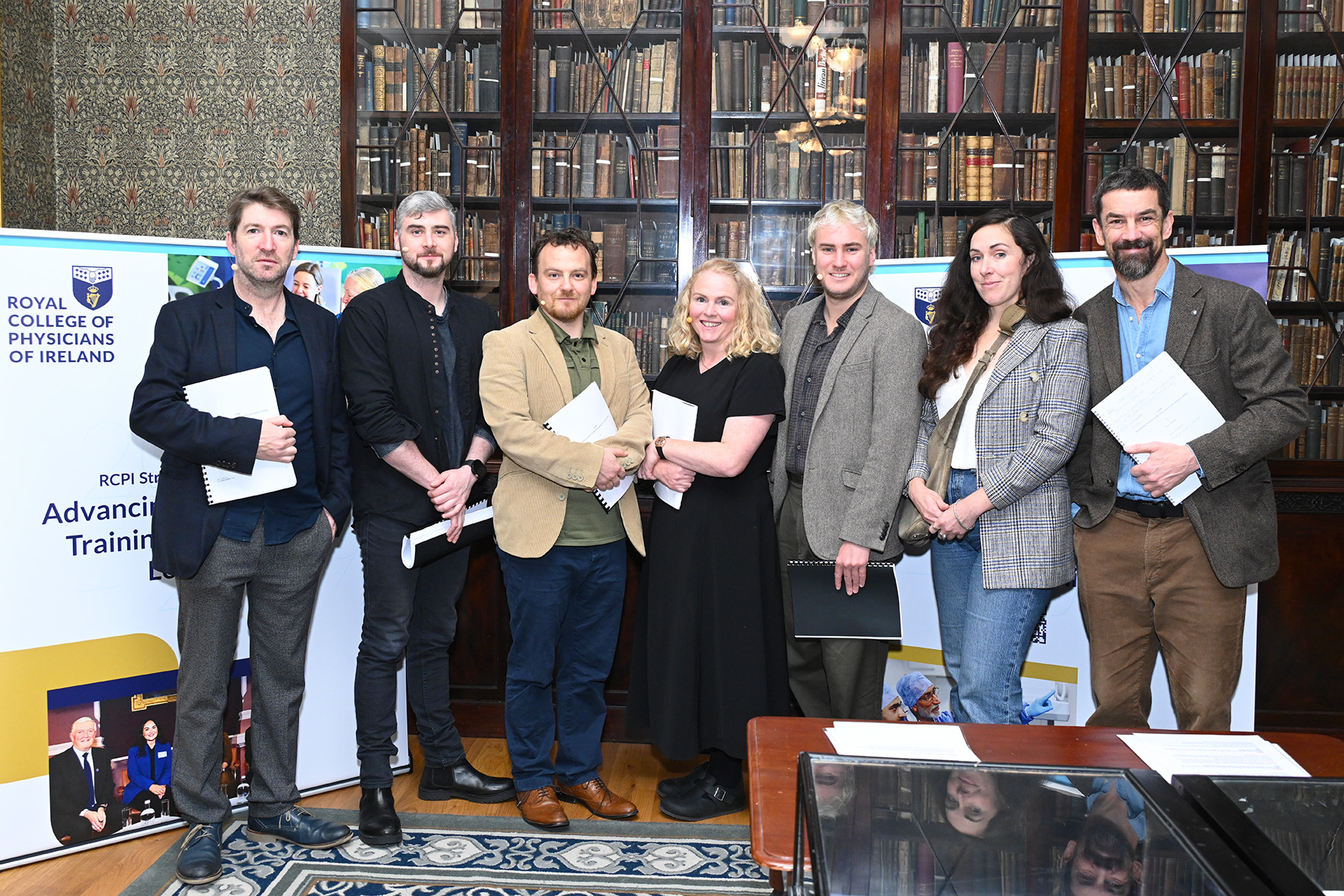
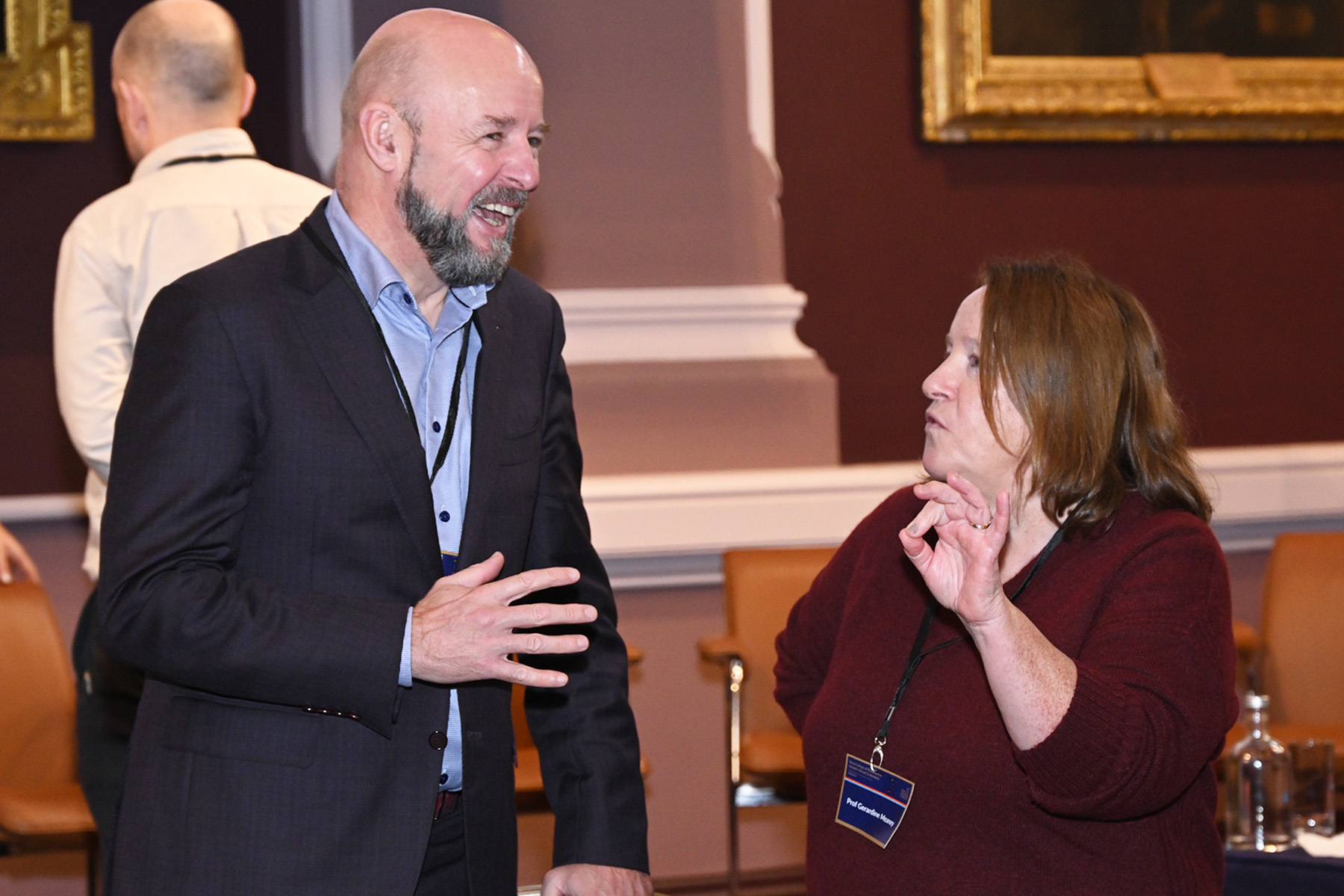
Miasma: Trust, Data and Public Health
15 October 2025, 9:30 – 14:00
Royal College of Physicians of Ireland, Dublin
The UCD Centre for Cultural Analytics was pleased to participate in the Royal College of Physicians of Ireland’s Annual Heritage Day on Wednesday, 15 October, which marked the launch of Phase Two of our project Miasma: Trust, Data and Public Health.
The day featured a staged reading of Miasma, a play by Colin Murphy, which tells the story of Dr John Snow, an innovative and independent-minded doctor in 1840s London, and his fight against the medical establishment. The performance uses theatrical storytelling to communicate scientific methods, the fundamentals of data science, and the history and nature of epidemics to audiences.
The event also included thought-provoking talks:
- Dr Fióna Gallagher (DCU) discussed the history of the cholera epidemic in Sligo.
- Professor Gerardine Meaney (UCD) shared literary insights on cholera’s representation in literature and its enduring cultural impact.
- Dr Victor Mukonka highlighted current efforts to eradicate cholera in Zambia, emphasising how climate change, including floods and heavy rains, is contributing to the spread of water-borne diseases.
A full production of Miasma will commence its national tour in Spring 2026, bringing this important story to new audiences across educational, medical, and cultural sectors.
Funding: The Miasma project is funded by the Research Ireland Discover Programme, and forms part of the European Research Council (ERC) VICTEUR project and the Insight Research Ireland Centre for Data Analytics.
March 2025
Culture, Data and the Humanities Workshop (UCD)
Culture, Data and the Humanities in the Age of AI
7 March 2025, 12:00 – 16:30
Conway Lecture Theatre, University College Dublin
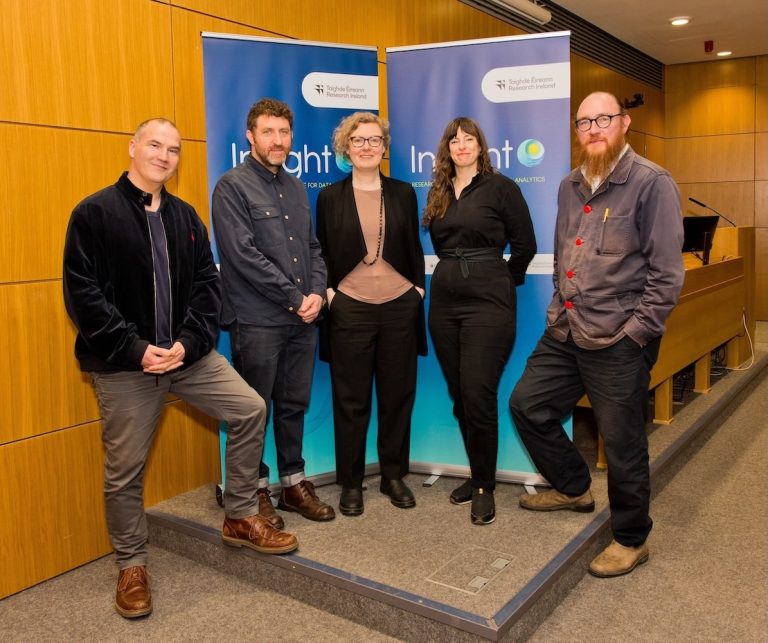
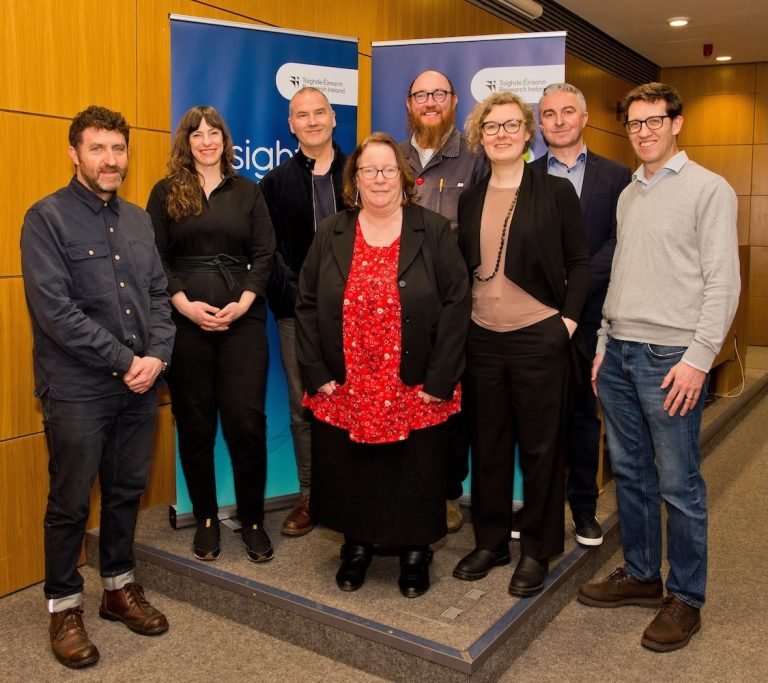
The use of machine learning to study patterns of cultural and social change has developed very rapidly in the last decade and the insights from this kind of research are urgently needed in a context where AI tools are rapidly proliferating, raising issues of ethics, trust and epistemology. In this context, this half day colloquium reflected on the experience of collaborative research between data science and the humanities and the potential it offers for new insights, resources and methodologies. The audience heard from researchers on two milestone projects, reflecting on the nature of their collaboration, lessons for future research and reflecting with Irish researchers on the collaborative path forward.
The Ed Ruscha Streets of Los Angeles Archive at the Getty Research Institute in Los Angeles brought together an international team of art historians, media analysts, architects, urban planners, information specialists and software engineers with Getty staff to document, interpret, and debate the Streets of Los Angeles Archive, which was created by the artist Ed Ruscha beginning in 1965 and continuing over the subsequent fifty years.
Living with Machines was a flagship collaborative humanities and science research initiative at the Alan Turing Institute, bringing together historians, data scientists, geographers, computational linguists, library professionals, and curators to examine the human impact of industrial revolution. Developing new tools, methods and resources it exemplifies the capacity to analyse at scale and produce new insights and analysis through such collaboration.
Speakers
Katie McDonough is Lecturer in Digital Humanities in the Department of History at Lancaster University and a Senior Research Fellow at The Alan Turing Institute. Formerly a member of the Living with Machines (LwM) project, she was also the UK PI of Machines Reading Maps and more recently a Co-I on the LwM follow-on project Data/Culture and PI on a project to create and analyse datasets about historical environments for UK National Parks. Katie was trained as a historian of eighteenth-century France, and now works on the history of infrastructure across both early modern and modern French and British history. She has led the development of MapReader, one of the major strands of work within LwM, and recently co-edited (with Valeria Vitale) a Forum in Imago Mundi about the use of MapReader for computational research with maps.
Emily Pugh is a Principal Research Specialist at the Getty Research Institute, where she oversees the GRI’s Digital Art History program. Emily’s expertise within digital art history centers on the digital media of art and architectural history research, in particular imaging technologies such as 3-D scanning and computer vision. Emily served as the co-lead of the “Ed Ruscha’s Streets of Los Angeles” project and is co-editor, with Zanna Gilbert, of the forthcoming publication Ed Ruscha’s Streets of Los Angeles: Artist, Image, Archive, City (2025).
Eric Rodenbeck founded Stamen Design in 2001. Stamen is an internationally recognized data visualization design studio based in San Francisco, California. They develop projects for a broad range of clients locally, nationally and internationally, including National Geographic, The Audubon Society, and The Dalai Lama. They average 50 projects a year, and are recognized as having helped to define the emerging medium of interactive data visualization and online cartography. Their work is in the permanent collections of the Museum of Modern Art in New York City and Cooper Hewit / Smithsonian Museums, and we have exhibited nationally and internationally in museums and galleries worldwide, from the San Francisco Museum of Modern Art to the Art Institute of Chicago to the Design Museum and Victoria & Albert Museum in London. Stamen is a recipient of the Smithsonian Cooper Hewitt National Design Award for Interaction Design. Eric attended and was expelled from the Cooper Union in New York City, attended the Borough of Manhattan Community College and graduated from The New School for Social Research with a Bachelor of Arts in History and Philosophy of Technology in 1993. Eric is a professor at Harvard’s Graduate School of Design, teaching a “Re-imagining the Archive” course in Cambridge, Massachusetts.
Mark Shiel is Professor of Film, Media, and Urban Studies at King’s College London. He has published five books and dozens of book chapters and journal articles on media and cities, including Architectures of Revolt: The Cinematic City circa 1968 (2018) and Hollywood Cinema and the Real Los Angeles (2014). His research and teaching are also concerned with the relationship between media, architecture, urban planning, and their methods, including data visualization, cartography, filmmaking, and photography. His most recent film is the thirty-minute documentary Madingley (2024), about the architecture and landscape of war memorials. Mark is also co-director of MediaUrbanism, a boutique consulting firm and design studio focused on media industries and creative cities in Europe and the United States.
Daniel Wilson is a historian of science and technology with a focus on Britain in the nineteenth century. His work combines traditional close-reading and archival study with computational techniques, and he is currently a Turing Research Fellow at the UK’s national centre for data science and AI. Daniel held research and teaching posts in Paris and Cambridge before joining the Turing to work on the ‘Living with Machines’ project. His research interests include data provenance and machines, new approaches to large collections of historical maps and texts, and *Pandaemonium*.
Funding: This event was part of a project that has received funding from Research Ireland to the Insight Centre for Data Analytics under grant No 12/RC/2289_P2 and the European Research Council (ERC) under the Horizon 2020 research and innovation programme (Grant agreement No. 884951).
December 2024
A Visit from the Banshee (MoLI)
A Visit from the Banshee: MoLI Christmas Ghost Story
8 December 2024, 7pm
Museum of Literature Ireland, Dublin
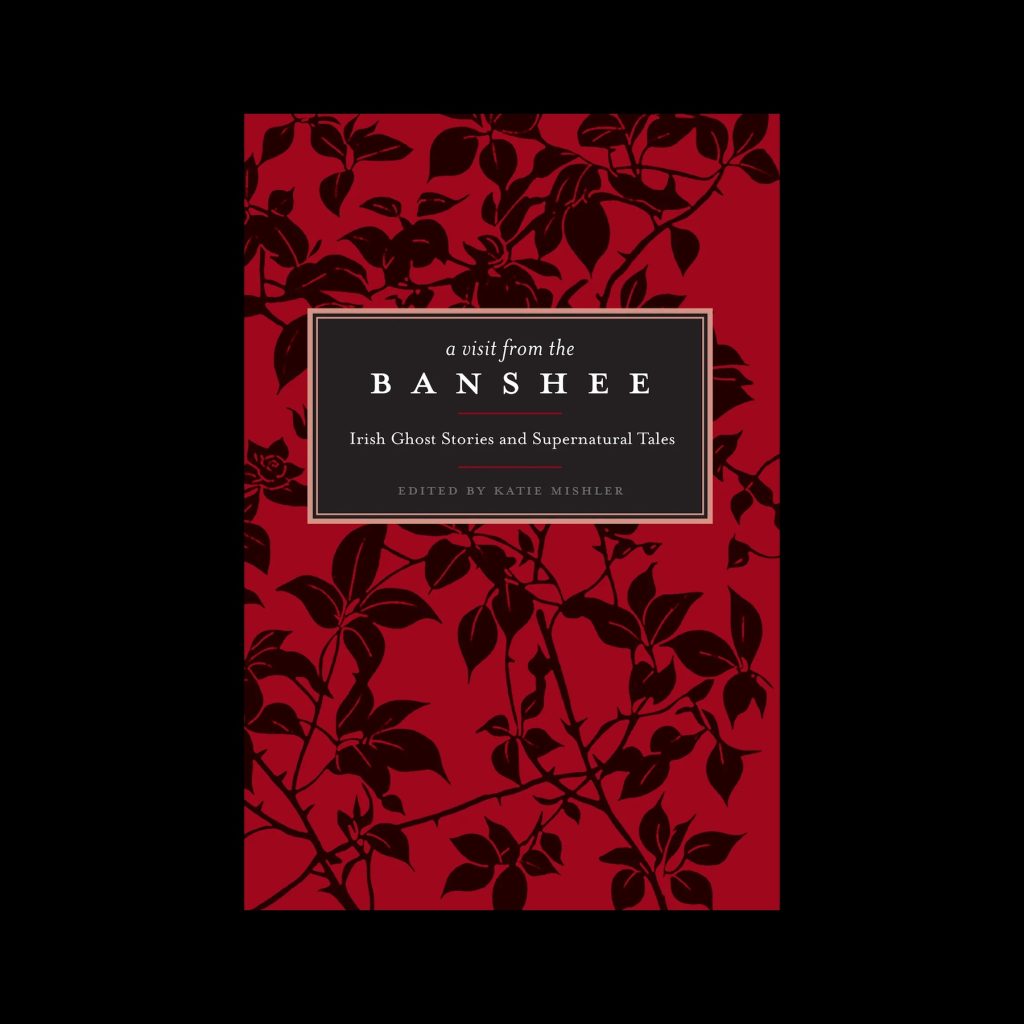
The “Christmas Ghost Story” event at the Museum of Literature Ireland in December 2024 drew attention to the use of machine learning in recovering cultural traditions. This event launched MoLI Edition’s new publication, A Visit from the Banshee, edited by Katie Mishler, and produced by the Museum of Literature Ireland in collaboration with the UCD Centre for Cultural Analytics.
A recording of the event is available here. Across the half-hour recording, you will hear extracts from three stories featured in the book, alongside live music and sound design by Seán Mac Erlaine.
The MoLI Christmas Ghost Story is part of a project that has received funding from the European Research Council (ERC) under the Horizon 2020 research and innovation programme (Grant agreement No. 884951).
A Visit from the Banshee is available from the MoLI shop now. Visit moli.ie/banshee for details.
November 2024
Migration, Adaptation and Ex/change (MoLI)
Migration, adaptation and ex/change: Victorian and contemporary culture
1 November 2024
Museum of Literature Ireland, Dublin
The UCD Centre for Cultural Analytics held a two-day colloquium that explored questions of migration, adaptation, and cultural ex/change.
The event examined these themes through the lens of cultural analytics, with a particular focus on the use cases and new functionalities of the Curatr platform, developed as part of the VICTEUR project.
Covering periods from the Victorian era to the contemporary moment, speakers reflected on the role of migration in shaping narratives of national identity, fostering new literary forms, and circulating cultural texts. The colloquium also addressed issues of marginalisation and cultural formation, engaging with questions of race, ethnicity, and gender through data analytics, library collections, and close readings of individual authors and texts. It further analysed continuities and changes in Victorian and present-day cultural responses to migration, creating a dialogue between the possibilities of data-driven analysis and the insights of literary scholarship.
The event featured keynote talks from Prof. Josephine McDonagh (University of Chicago), Assoc. Prof. Antonija Primorac (University of Rijeka), and Prof. Mar Gallego (Huelva University), and Prof. Gerardine Meaney (UCD). On the first day of the workshop, Dr. Karen Wade (UCD) discussed Mudie’s Select Library before Iulia Molnar and Daniela Crowe shared a panel which considered Dracula from an East European perspective. On the second day, attendees heard contributions from Katie Donnelly (UCD), Dr. Ge Tang (UCD), Dr. Fionnula Simpson (UCD), Dr. Lauren Cassidy (UCD), and Dr. Briony Wickes (Royal Holloway).
November 2023
States of Confinement (MoLI)
States of Confinement – The Jail Journals of Rosamund Jacob and Dorothy Macardle
15 November 2023, 12:00-6:30 PM
Museum of Literature Ireland, Dublin
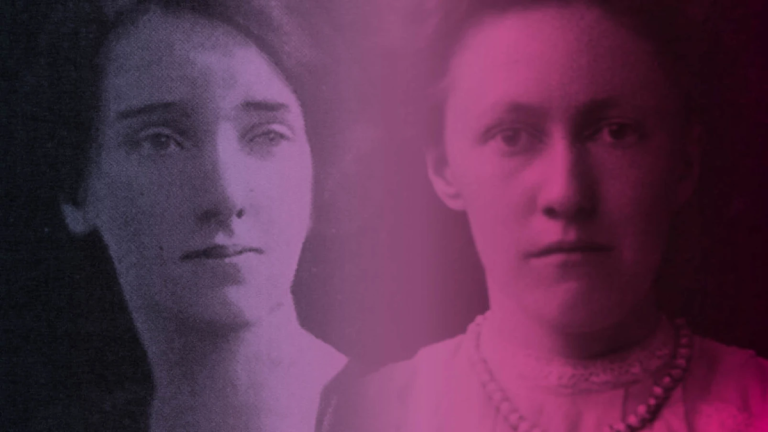
‘States of Confinement’, hosted by the UCD Centre for Cultural Analytics at the Museum of Literature Ireland (MoLI) in Dublin, explored and celebrated the autobiographical life writing and political fiction of Rosamund Jacob and Dorothy Macardle. Jacob and Macardle wrote journals during their imprisonment in Mountjoy Prison and Kilmainham Jail as Republican activists during the Irish Civil War in 1922-3. To mark the centenary of their incarceration and the legacy of their writing, actors Carrie Crowley and Kathy Rose O’Brien read selections from the jail journals, academics contextualised the life and writing of Jacob and Macardle, and contemporary women writers Sophie White, Sinéad Gleeson, and Lia Mills shared extracts from their work.
Technology, Literature, and Culture (MoLI)
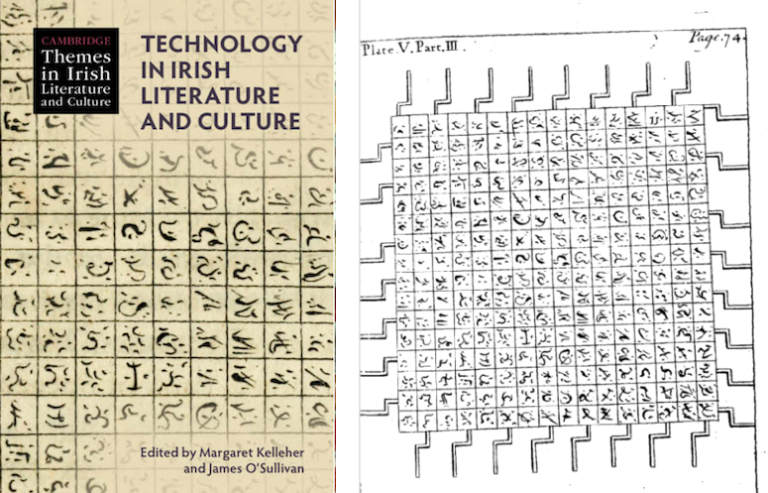
Technology, Literature, and Culture Colloquium
8 November 2023, 2:00-6:30 PM
Museum of Literature Ireland, Dublin
The Centre for Cultural Analytics at UCD hosted a public event at MoLI to celebrate the edited collection ‘Technology in Irish Literature and Culture’ (Cambridge University Press, 2023). The editors of this collection, Professor Margaret Kelleher (UCD) and Dr James O’Sullivan (UCC), and a number of contributors reflected upon the motivations for the collection, as well as the possible future impact technology will make on cultural production. Professor Kathryn Conrad (University of Kansas) presented a keynote on her research. A question and answer session followed both sessions.
May 2022
Curatr Workshop (Edinburgh)
Curatr Workshop: A new tool for analysing the British Library’s Corpus
9 May 2022
University of Edinburgh
“How can the Curatr platform help researchers explore the British Library’s 19th-century digital book collection?”
This workshop was hosted in collaboration with the Centre for Culture, Data and Society and IASH, University of Edinburgh. The workshop demonstrated how the Curatr platform is being used by researchers on VICTEUR to identify and analyse the representation of European migrants in Victorian fiction.
You can watch videos of presentations and responses from the workshop here.